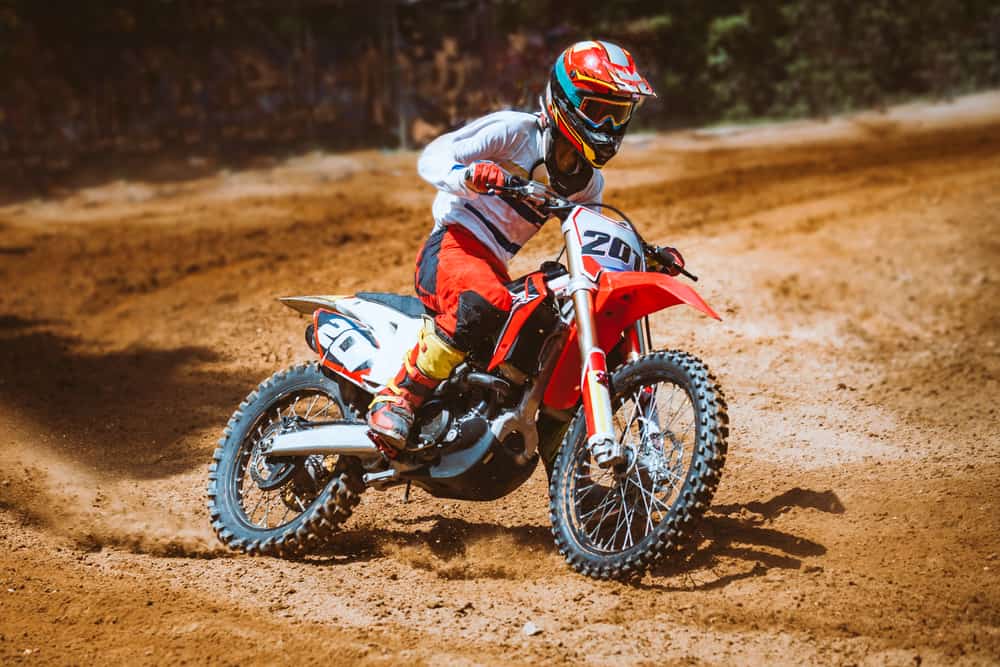
Becoming a dirt bike mechanic sounds like the dream job as you’re playing with your favorite toys all day long.
But is it actually worth it and does it pay well? This really depends.
Dirt bike mechanics working at dealerships typically earn less than $39,000 per year unless they are working with major manufacturers in competitive events. This equates to $14 to $18 per hour plus benefits. Given the low pay rates, most mechanics aim to own a dealership one day where they can sell dirt bikes, parts, accessories and hire staff do the lower-paying jobs.
Of course there are variations to these numbers and it’s based on the country you’re from, but reasonably accurate for those in the United States, Canada, Australia, the United Kingdom and South Africa.
A Career as a Dirt Bike Mechanic
It can certainly be rewarding to be a dirt bike mechanic full time. Even if you’re over the age of 30, it isn’t too late to pick up these skills. You don’t need to do this career for life either. If you learn how they operate, then you’ll be the last one stuck on the side of the track.
To get into this field, you won’t need much other than a love for motorcycles. There isn’t a specific dirt-bike-only trade and you’ll be learning on general motorcycles initially. This means you’ll be exposed to different engine types and a range of motorbikes in the workshops.
There are several trade schools and colleges that offer courses but nothing is really offered at a university level. After all, this is a trade and one that requires only a mild amount of engineering knowledge. Apart from some basic English and Maths, there isn’t much you need to get accepted and start learning.
A recent survey shows that motorcycle mechanics are happy with their job, despite the low pay and long hours. This problem stems from the fact that dirt bikes are just fun to tinker with…and getting paid is just a bonus.
Increasing Pay Rates
While most working in mainstream dealerships do make less than $40k annually, there are ways to increase this.
You can:
Open up your own exclusive performance workshop. Many riders are always trying to extract more power out of their dirt bikes, especially the 2-stroke crowd.
Join a factory racing team. Big brands like KTM and Yamaha have their own factory teams which travel the country or even the world. Being paid to travel the world and work on dirt bikes sounds epic. Just imagine being apart of the Dakar Rally and a key reason why a competitor won a stage..or even the whole event!
Market yourself better. There are numerous active Facebook groups with local riders all discussing issues they’re having with their dirt bikes. You can become the go-to person who can solve these problems and get paid more than the dudes working at the big dealerships while charging far less. You’re effectively taking out the middle man.
Specialise in 1 brand only. If we had to take a pick, we’d say go with KTM. Those riders have the biggest bank accounts and the type who typically wants to ride faster. If you can become the cities most specialized KTM dirt bike mechanic and know each model inside and out, then you’ll never be short of happy customers.
A dying industry?
With electric dirt bikes becoming a hot item over the next few years, we wander if this industry might be at risk of going into decline real soon.
Since these dirt bikes need next to no maintenance (their engines are electric and are self-contained), there won’t be much for a mechanic to do. The occasional handlebar replacement or a new set of rims and tyres…and that’s it!
With the rise of YouTube tutorials, most riders are also learning how to get jobs done easily themselves. This saves them money and the messing around with booking in a time slot with the mechanic and hauling their bike on the back of the truck.
So the payscale is quite low and the longevity of the job role is questionable. Yet if you’re passionate about repairing, maintaining and increasing the performance of dirt bikes all day long, then you’ve got the perfect job!
Just about everyone knows about the supercross legend James Stewart. His reputation for claiming podium finishes and epic crashes lives on.
Known as Bubba Stewart, he competed in many AMA Motocross and Supercross Championships around the country. He soon became known as “The Fastest Man on The Planet” for his incredible speed and moving ahead of the pack in every race.
One remarkable example is that in 2008, James was able to win every race and every moto that the AMA Motocross season had thrown at him. He simply ate ’em all up, including his competitors. He’s only the second rider in history to accomplish this, with Ricky Carmichael having done this in both 2002 and 2004.
James Stewart Jr At a Glance
James was introduced to the competitive world of dirt bike racing by his dad. Given that his father raced motocross, he simply encouraged his son to take up the sport. Word on the street is that James was riding on his father’s lap while still in diapers.
#7 was James’ favorite race number, though he used #259 usually to pay respect to his idol, Tony Haynes.
Age the age of 4, James was already racing! We’re talking PeeWee 50’s here but nonetheless, this man was born to ride. By age 7 he already had a sponsorship deal underway and in the following years, he won many races as a teenager.
He even claimed 11 Amateur National Tirles and then he got started into professional supercross. Unfortunately, he struggled here due to numerous crashes and injuries which are typical.
How did he achieve all of this? Well, he was home schooled as he was clearly excelling in his skills behind the handlebars.
James “Bubba” Stewart Reputation
James Bubba Stewart garnered a reputation among the spectators. Some people loved his performance and some people just hated his lack of ethics. His riding was sometimes taken as simply reckless as he would mow down other riders on the track when overtaking.
Some people would tune in to see him not only win but who he would get into fights with on the track, whether on the track or in the pits. If he wasn’t in a fight, then he’d be on a podium or on a stretcher recovering from a crash.
Now, one thing is for sure – this man is competitive. He simply wants to win! He’s the type that will bring a 50 cal to a knife fight because that 1st place win is exactly what lights him up.
Some say his garage at home had more dirt bikes than he had pairs of underwear. Somehow, we’re not surprised. Clearly when you’re in it to win it, you’ll stop at nothing!
As a result, James Stewart has a net worth today of around $20 Million US dollars. This includes a large country estate, his own motocross track, numerous dirt bikes and a collection of hot road cars. What is he doing now? Well, he still spends his time riding motocross casually though has retired from racing to spend more time with his wife, Brianna Chavarria.
What we can learn
While James Stewart retired more than 5 years ago from competitive dirt bike riding, there’s so much that we can learn. This is true even if we’re not looking to win trophies or create a tribe of fans…or even the haters.
The world has become soft in the last 2 decades, but it’s clear that there are still men around who are powering through. Interestingly, thousands would come to see one man push through to win championships. Just like in life, way more people watching from the sidelines than actually being out there themselves.
If you want to win big, then you’ve gotta go big. No more binge-watching YouTube tutorials. You learn so much more about throwing a dirt bike around by actually doing it.
Get yourself behind the handlebars for 10,000 hours. At that place, you reach mastery.
Buying a backpack for riding through the backcountry with your dirt bike is a challenging task. Then we need hydration bladders too.
Yes, finding the right bag is challenging. Most manufacturers make hydration packs which are good, but you need a model that is specifically tailored to whizzing down the trails at 70 miles per hour or more.
The type that allows your back to stay dry and sweat-free, but also be dynamic enough to move around as you shift your weight on the pegs. Let’s not forget the storage space you need for the first aid kit, spare tubes, snacks and tools. This adds some real complexity to finding the right balance between being light and having enough storage.
Best Dirt Bike Backpack with Water Bladders
We’re avid offroad enthusiasts here at Frontaer and have dug around do the research for you. We didn’t simply want to show you a list of options from those who go hiking in the woods. That doesn’t apply to us because our needs are very different.
Our situation changes as does our environment on the trails. Whether we’re out for a few hours on the trails, racing in a motocross championship series or multi-day adventures with camping, we need the type of backpack that’s going to last and last for years. Most importantly, one that provides us with ample hydration with a built-in bladder system.
These are the most popular dirt bike backpacks of 2022 with hydration packs:
The CamelBak Mule has a cult-like reputation among anyone who ventures outdoors. It certainly makes for a great backpack to explore on 2-wheels with plenty of storage and a large hydration pack. We’re talking 3 litres here which is more than enough for exploring, even if you’re riding out in the Californian desert.
It has a waist clip designed to stop the backpack from moving around at high speeds, yet with mesh on the back to allow you to breathe. This is exactly what we need – ventilation! Not only is their ventilation at the back but on the straps too. Most other manufacturers forget about this.
What we really love here at Frontaer is sustainability. It’s been used with some recycled materials which keep us smiling. And the phone pouch is very good as it keeps your phone dry when the hydration pack lets out some moisture if you’ve left it in the fridge overnight.
Let’s say that you’re in a region where the weather is a bit milder and you don’t quite need so much in the way of water capacity in the rear., then we’d go with the 2L Zac Speed Comp 2. This is a popular hydration backpack for enduro riders around the world who compete at the highest levels.
It’s much lighter than the CamelBak options because there is less storage space and the focus is on simplicity. There is even a race harness which gives you an indication as to what this is targetted towards.
The back panel isn’t just meshed and they’ve gone with moulded EVA to have less of a form-fitting approach, which means less sweat running down your back. While the CamelBak has a small waist belt, the Zac Speed team took it to the top with their model having an elastic version which is thicker and keeps the hydration backpack more stable at high speeds.
The Ogio Dakar 3L is a seriously tough model that’s designed to be more rugged yet sporty. It’s not uncommon to see rod-based motorcyclists using this on their daily commute to and from work. The bag itself seriously looks cool and would suit the dual-sport enthusiast as much as the dirt bike rider.
It has some great storage with insulated cooler fabric which keeps the water cooler for longer. After all, who really wants to be drinking warm tap water on a hot summer’s day? We typically throw our hydration bladders in the freezer on the night before riding so they thaw out when riding.
What stands out with the Ogio Dakar is the EVA arm on the back. This gives you some protection if you’re carrying expensive gear like a camera or a tablet when camping for the night or doing a long enduro ride. The build quality is strong and this backpack looks as great out there on the trails as it does riding around the city centre.
The Lobo is another great contender from CamelBak and represents the 2nd entrance from CamelBak on thie list. Their global reputation is very high and there are many reviews which praise their longevity while addressing the needs of adventure-seekers globally.
What’s great about this hydration backpack is that it isn’t just for dirt bike riders. If you’re cycling or hiking, then this bag will do the job very well which means you don’t need to buy seperate backpacks. The world doesn’t need more ‘stuff’ after all.
This one rides down lower and you may feel it sitting a bit too low, especially if you tend to sit down when riding as opposed to standing. It’s mostly the vertically-challenged riders among us that will find this an issue. With an integrated tool roll, several pockets for snacks and tubes, you’ve got yourself here a bag that you’ll be proud to wear in multiple situations.
Frontaer never forgets about the adventure riders on their dual-sport motorcycles. After all, we’re a brand heading in that direction given how respectful and serious these riders are about quality. Nelson-Rigg has it sorted with their hydro backpack for riders seeing the world off the beaten path.
Now, this is significantly bigger than what most riders are going to need out there on the trails. Yet the build quality on this is quite superior and this is reflected in the price. We’re looking at water-resistant backpack that has multiple storage options and 2 litres of water available, with 9L of storage for food, the camera or even a small iPad.
You’ll get the typical features of a padded back panel and airflow system. In addition, it’s very well padded with the straps having 3 spots of adjustibility. The zippers themselves are designed to take a bit of a load too so don’t be too worried about stuffing a few things in here.
Kriega is one of our favorite brands in the adventure riding space and they’ve earned their respect and reputation among the dual-sport crowd for sheer quality. In recent years, they’ve also been pushing towards the motocross world with their well thought out products which simply aren’t copycats.
Their Hydro 3 is the lightest backpack for dirt bike riders and is designed to feel like it’s not even there. It looks quite small but there is still 3 litres of water available to riders and most people only fill this up half way when heading out.
The waist strap keeps thing quite secure and the harness system feels like you’re craddled together well. No tool pocket on this hydration pack but it’s designed for the minimalist who just needs some water out there on the trails. Most riders will use a fender bag to store their tools.
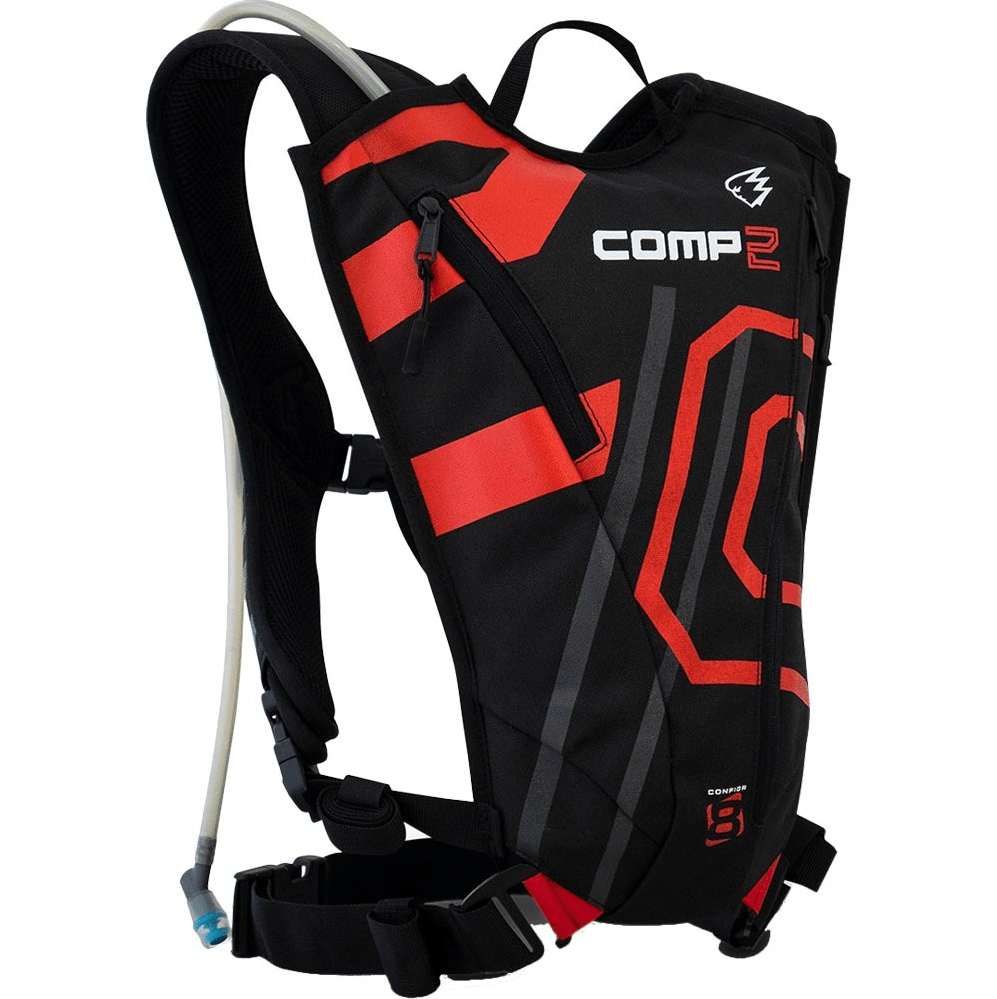
If the Nelson-Rigg hydro backpack didn’t excite you above, then we’re finishing this list off with the Zac Speed Dakar Configr8. Yes, similar name to the Ogio above but certainly different in its design characteristics. This is a much larger version that’s also black. This is awesome because we know that white backpacks stay clean for about 3.2 seconds out there on the tracks.
The storage within this bag is massive and they’ve built an entirely seperate tool section. You’ll find several storage areas and pockets available with 22.5 litres of capacity. If you wanted to stow a small tent in your backpack when riding, then this is the backpack you’d want to use.
The 3L hydration system will keep you topped up for a couple of days of riding, and you can always stow an extra water bottle in the backpack too. In terms of construction, it has a shoulder harness and waste belt system which are both removable with multiple adjustments, paired with back padding with superior airflow. This bad boy ain’t cheap but for the price you’re paying, it represents great value!
There we have it! Some seriously good backpacks for those who love to journey around with their dirt bikes on the deserts and national forests. Frontaer has hand-picked these for the sheer versatility, breathability and lightweight nature that these bags bring.
We’ve also looked at the build quality and customer reviews, as well as industry reputation. You’ll notice that we picked well-known brands that have a reputation for delivering seriously good quality. No Chinese brands here that you’d typically find on Amazon and eBay. We know you wanted the best for your riding experiences and we delivered.
Now pick one and get out there! The trails are just begging to explored with your 4-stroke humming along. Throw on a backpack with the tubes, levers, some snacks and some chilled water, and you’ll have an epic ride.
Your teenager might be pretty well keen on getting the most out of their 125cc dirt bike including its top-end maximum speed.
It can vary between models, but generally speaking, a 125cc dirt bike travels between 57 and 65 miles per hour depending on rider weight, the terrain ridden and the sprocket fitted. Most riders don’t get up to these fast speeds often as these motorcycles are typically used on motocross tracks and local forest trails by younger riders.
Yes – we’re talking highway speeds here. While they can go fast, it’s not the only characteristic you should be thinking of.
125cc Dirt Bikes Top Speed
There is several factors that will influence just how fast you can get a 125cc dirt bike to go.
These include:
The engine manufacturer. Generally speaking, KTM’s are going to have the best chance at hitting their claimed top speeds.
Body aerodynamics. Both the riding stance of the rider as well as any fairings will help you pierce thorugh the wind and have an exhilirating ride.
The terrain. If you’re riding on an unused airstrip, then that’s very different than say riding on a rocky outcrop area or even on an MX track.
Current conditions. Riding downhill or with a tailwind will dramatically increase your top end performance and thus the smile on your face.
Your weight also has an impact. There could be a 20kg difference between yourself and another rider and the heavier riders just won’t be able to win at a drag race, but will certainly fare better in the event of an accident.
Safety at Speed
You’re likely a parent that is worried about your son or daughter traveling at such high speeds on their dirt bike. Understandably so, because crashing their 125cc dirt bike probably won’t end well.
Keep in mind that in most cases, they won’t be reaching anywhere near these fast speeds. Most would be focused on maximizing lap times and improving their cornering and hill cimbing abilities at this stage.
That said, you should invest in some high quality protection gear so they can be protected in the event of a crash. You might also want to educate them on the need to remain in the lower gears as well as how to manage their throttle response. 125cc dirt bikes can accelerate pretty quickly and for the complete beginner, they might forget how to bring the motorcycle to a comfortable cruise speed.
In addition, there are dirt bike schools that better help riders develop their skills in the shortest time possible. They regularly welcome teenagers who are keen to develop into professional MX riders, or just anyone in this age group that wants to become more safer and confident riders. Indeed the parents become more confident too knowing their kids are riding more safely and within their comfort zones.
Going forward
While a 125cc dirt bike can reach highway speeds in less than 10 seconds, it’s not something that they’ll be doing often unless they live in open country. Kids at this age aren’t crazy enduro riders and are instead still learning the controls and how to handle their dirt bike effectively.
There are plenty of YouTube channels that help teenagers develop their skills and become safer riders. Check them out and stay safe out there on the trails!
Have you just bought a dirt bike but it didn’t come with a kickstand? It probably left you scratching your head.
We assume that it comes with a kickstand just like a bicycle or enduro dirt bike. Unfortunately, some MX motorcycles don’t come with them.
Manufacturers don’t include kickstands with some dirt bikes due to the weight savings and ground clearance. They also aren’t so secure and can slide down when riding on bumpy terrain leading to an accident. Motocross riders typically don’t ride long distance and are simply coming back to the pits where they have a hardstand under the crew tent.
We see this typically with Chinese Dirt Bikes but it can be on any dirt bike really, especially motocross. enduro and dual-sport motorcycles almost always have kickstands as standard.
Supporting your Dirt Bike Without a Kickstand
So then, how do you go about keeping your dirt bike upright without a kickstand attached? There are several ways:
Lean it against a tree or fence post. This is most common with the weekend riding crew. Find a tree or fence post out there and lean the fuel tank against it. While it’s tempting to lean the edge of the handlebars against something solid to prevent scratches to the gas tank, it’s likely that the handlebars will twist if it gets windy and your dirt bike will come crashing to the ground.
Buy a workshop stand. These are great for changing tires and doing regular maintenance work. You should throw one in the back of the truck whenever you go out riding as they will be well used, especially if you are out in the sand dunes and nothing to lean your dirt bike up against.
Install a triangle stand. These are different than your typical dirt bike stand in that they provide more support to the dirt bike. Perfect if you live in a windy location or the terrain is a bit soft and you need that extra stability.
Install a traditional dirt bike kickstand. Yes, you can certainly buy these from the dealerships or online, but their lengths do vary. You’ll need to find one which is the right size for your dirt bike. We recommend the Ricochet Kickstand which is adjustable.
When You Definitely Need One
If you’re often riding on weekends with a crew of buddies, then you’re probably going to get sick of trying to lean your dirt bike up against solid objects often. This is when you’re going to want to invest into a good stand as we outlined above.
A common reason why people install dirt bike stands is that they’ve converted their dirt bike into a supermoto. Imagine going down to the local burger joint and not being able to park your motorcycle anywhere because you don’t have a kickstand. Awkward!
Also, if you’re out exploring trails often and are regularly opening and closing farm gates, then it’s wise to spend the $30 on a quality stand. It will save you from constantly looking around for options or backing up 40m to that tree you spotted.
You Can Do Without
It’s possible to own a dirt bike for years and still be smiling without a kick stand. The weight savings are minimal (as are the cost savings) and with carbon fibre becoming popular and cheaper, there will be more manufacturers installing these even on the most competitive MX bikes. You can do without the stand and it’s somewhat of a cool factor not having one when everone else has.
The most challenging time is when you’re loading/unloading your dirt bike and don’t want to lean it up against the truck. But get yourself a workshop stand and you won’t need to worry about this at all.