When you’re getting started in the world of dirt bikes, you often get confused with some terminology such as ‘enduro’ and ‘enduro racing’.
It can certainly get a little confusing. What do they mean exactly?
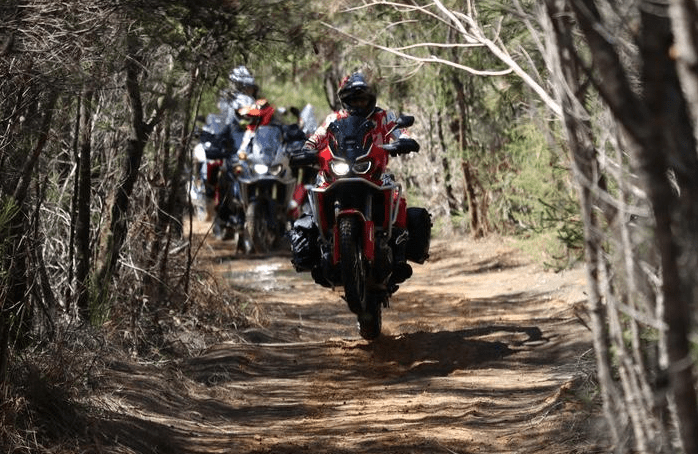
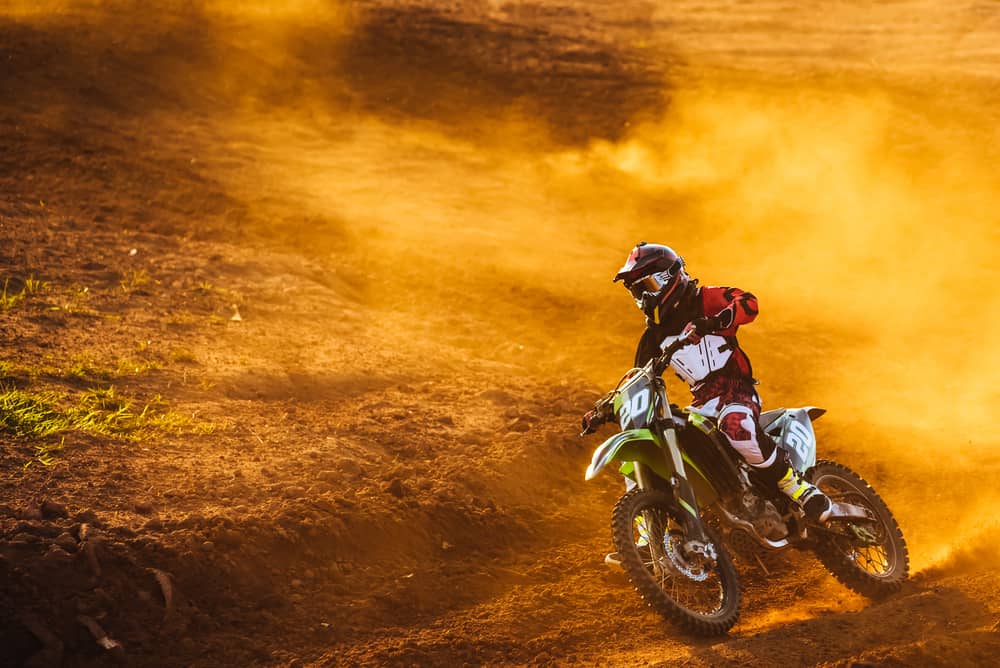
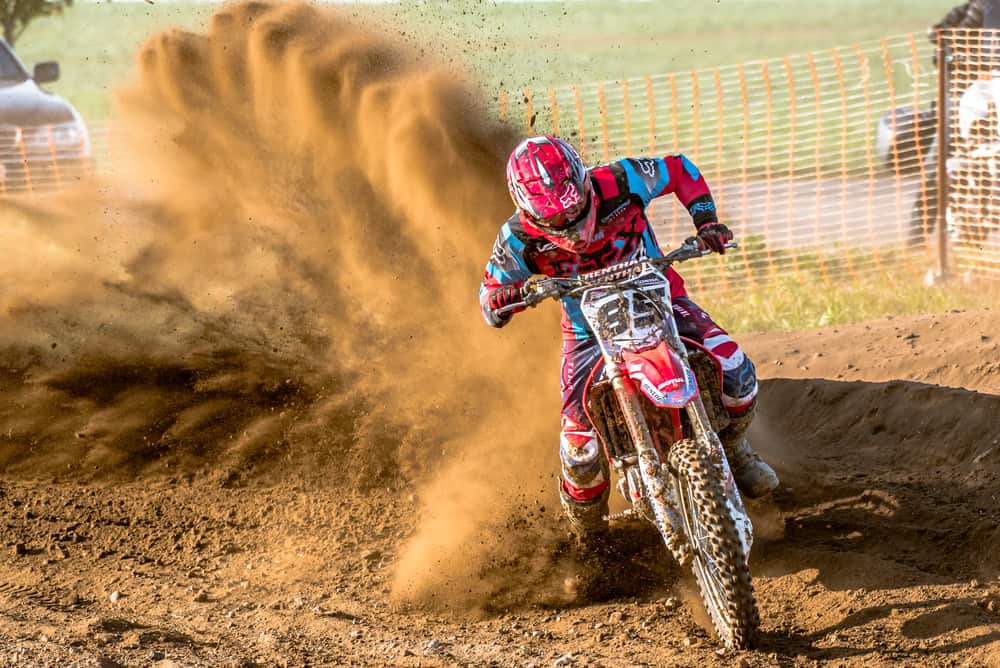
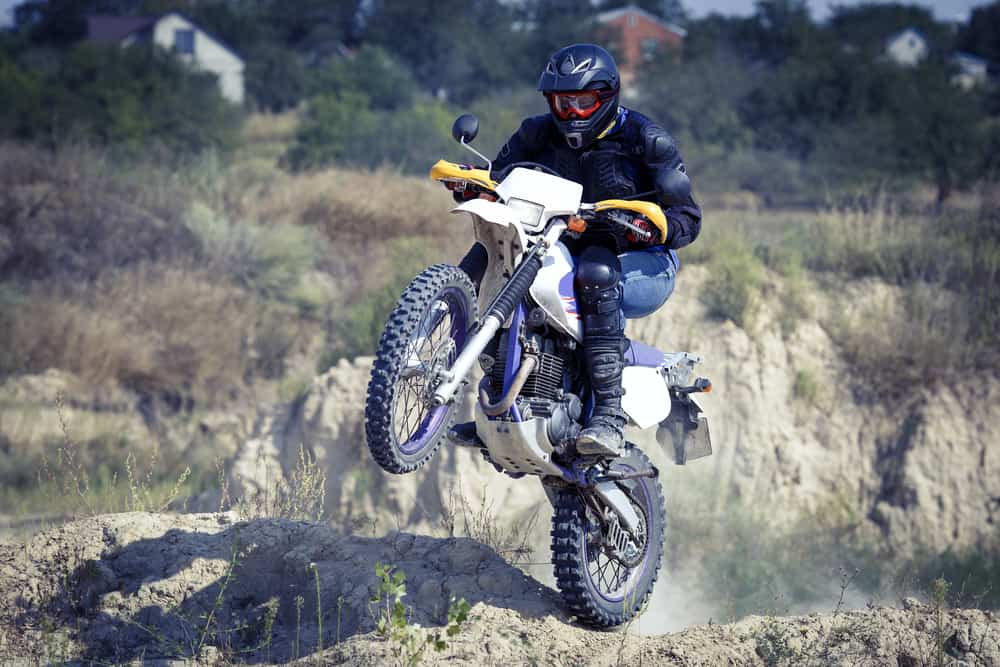
Enduro in reference to dirt bikes refers to riding or racing these motorcycles over distances over 50 miles. Enduro is short for endurance and the riding terrain is more difficult, typically being sand and forest riding. This type of dirt bike riding is cross-country compared to motocross which is done on a closed-circuit and purpose-built track.
It’s slightly different than trail bike riding. These bikes are for casual riders who are just riding around flat terrain with little in the way of challenges.
Enduro Riding Defined
As Frontaer has stated, Enduro refers to taking a dirt bike on long rides in offroad conditions. These hallmarks describe this type of riding more accurately:
Completely offroad and doesn’t involve the use of MX tracks
Requires endurance and stamina from the rider over the day
Typically is done with a 4-stroke big bore (450cc or greater)
Average speeds exceed 70 miles per hour off road, with riders topping out at 100 miles.
Is physically demanding. The rider is expected to push through gnarly terrain
If competing in an enduro race, the rider may be riding constantly for 5+ hours.
The fatality rate is much higher here because of the intensely high speeds that riders sustain. One false move and everything comes undone.
Examples of Enduro Races
There are regular enduro races around the country and even around the world. These aren’t as popular as motocross and supercross with less media coverage. After all, the television crews need to spread right out and there isn’t enough man power. You’ll typically find helicopters following competitors in races.
Popular dirt bike enduro races include:
The Dakar Rally. This is considered to be the toughest enduro rally on planet earth, and even the toughest race of anything anywhere.
Baja1000. This is the most popular enduro race for North Americans and it’s held in Mexico each year.
Red Bull Romaniacs Hard Enduro Rallye. While it isn’t as long in distance, this seriously hard and requires the dirt bike rider to get over tough rocks in multiple stages of the event.
Australian Off-Road Championships. This is long distance and high speeds held in several locations during the Australian winter season.
Hattah Desert Race. Another challenging race in Australia which runs several long laps with plenty of dust to be enjoyed by everyone apart from the race leader.
Getting into an enduro race is no easy feat either. It’s physically demanding on both the bikes and riders, with preparations starting several months prior to competing. Famous riders in the enduro racing circuits include Ricky Brabec and Toby Price.
Most Common Enduro Dirt Bike Hallmarks
Enduro dirt bikes are sometimes slightly modified to suit the needs of racing or simply exploring for long distance.
These include:
Larger fuel tanks to compensate for the longer distance covered by riders.
Skid plates to protect the engine and sump from larger rocks from kicking up.
Strong handguards to protect the rider’s hands during crashes, from tree branches and to also keep the hands warmer when riding in colder weather.
An adventure fairing. You’ll typically see these on Dakar Motorcycles where there is a ‘cockpit’ containing a GPS, map roll and other accessories to help the rider navigate for miles and miles.
Hydration pack. These are worn by the riders to keep them hydrated for hours on end. Some racing events require the rider to have 2 litres of water hard-bolted to the motorcycle in case the rider gets lost and can’t be found for several days. This happened to Mark Thatcher in 1982.
KTM’s dominate the landscape when it comes to enduro riding and racing. Their range in the 300cc to 450cc range is optimum for enduro, though the 690 is a popular model too.
In Summary
Enduro is very different to MX because these dirt bikes are designed to operate at higher speeds and require tougher suspension and reliability. Yet enduro isn’t much different to trail riding. You can certainly convert your trail bike into an enduro weapon and it’s already much like an enduro bike.
After all, in the right hands, any dirt bike becomes a seriously powerful beast.
Australia is spoilt for choice as a mecca for adventure motorcycling. There are literally tracks galore for beginners or experienced folk.
If you’re new to this extremely fun sport that speaks of freedom and inner fulfilment, then we can highly recommend getting to one of the numerous adventure motorcycling schools around the country. These training workshops essentially help novice riders become more confident offroad.
Having done the grunt work, we’ve created this list of the best training schools in Australia.
Note: None of these is in a specific order yet each provides different experiences for various riders out there. Let’s begin.
1. Stay Upright
We love Stay Upright and you’ll find them running offroad courses across various states. What we love about Stay Upright is that some of their students actually carried through from previous courses as they teach complete learners.
You’ll find general adventure riding courses as well as courses for motocross and trail bike riding. You’ll want to stick in the ADV lane for sure and really learn how to master that big bike of yours. Additionally, they run lessons exclusively for women too!
2. Academy of Off Road Riding
It doesn’t matter how much you’ve ridden, there’s always space to learn more. That’s the case with Kinga from OnHerBike who, before she got YouTube famous, took a course at the Academy of Off-Road Riding.
It’s certainly an eye-opener and a chance to see how to properly ride in a controlled environment. You’ll be learning braking, clutch control and handling the heavier weights offroad. And yep – you’ll be learning how to pick up your motorcycle!
3. Simon Pavey’s Off Road Skills Course
While Simon lives in the UK, he still runs tours and skills acceleration courses in Australia for keen adventure riders. These are generally held around Merimbula and you’ll get training from one of the most experienced in the field of adventure riding.
After all, Simon Pavey is a Dakar Rally racer and thus, he’s certainly someone who knows how to throw a bike around. In addition to off road skills, he also runs a seperate adventure bike maintenance course designed to keep your bike moving when you’re a million miles away from a mechanic.
4. Honda HART Australia
Yep – Honda runs their own training and you don’t need to own a Honda bike to join in. They’re half-hoping you’ll bike a Honda down the track though, and you probably will when you realize what these bikes can do in the hands of a confident and experienced rider!
You’ll find them running regular courses across NSW, VIC and QLD. In these courses, they cover riding posture, low speed manuvers, going up and down steel hills and how to plan your expeditions. Definitely worth heading along to!
5. Top Rider
Based on the Sunshine Coast, Top Rider has advanced courses specifically for adventure riders. You can join them on a 1 day adventure training skills course followed by a 1 day adventure ride. Bring your camping gear and make a weekend of it!
You’ll find these starting from Mt Cotton which is east of Brisbane. Even if you live south of the border, it’s worth the trip up as they take their riders through some stunning scenery and epic offroad tracks for all skill levels.
6. Maschine
We think we’ve left one of the best until last! Maschine runs tours and training across Australia for those who are big-bike enthusiasts. Don’t expect to be surrounded by MX riders here as it’s genuine for 600cc and up. While they certainly love training, it’s the tours that have earned them a solid reputation in the ADV riding community.
They have been running since 2011 and their crew has been riding offroad bikes since the day they got out of the nappies. Maschine is clearly enthusiastic about showing fellow Australians tracks that so few people can access.
You’ll find organized adventure rides along The Tanami, Kakadu National Park, Victoria’s High Country and the Gulf of Carpentaria. In addition, they’ve organized several international expeditions.
In Summary
Group rides are perfect for those who are newer to the sport. You’ll be accompanied by the professionals and have a group of like-minded riders to chat to each night, instead of a lonely ponder at the camp fire by yourself.
Instead of dealing with headaches and trying to plan each day, you can offroad the repsonsibilities so you can simply enjoy the ride and take it all in. These are perfect for those who have been holding themselves back for some time.
Motorcycle camping is a seriously fun thing to do and most people plan for a few trips each and every year.
To go motorcycling competently, you’re going to need some prior planning to ensure it all goes according to plan.
Going motorcycle camping is a combination of packing the right gear for the conditions, selecting the right campsite and allowing yourself to forget the world for a few days and nights. For many, camping and motorcycling go together like cheese and wine, and with a fire, a tent and your motorcycle, it makes for an incredible experience.
In this guide, we’ll show you how you can go motorcycle camping, whether that’s at a national park or even stealth camping for free.
Let’s begin.
Getting Started with Motorcycle Camping
A lot of this will come down to your gear, your destination, the weather conditions and how much of a glamping experience you need. In part, these factors are dependent on the type of motorcycle you have.
As such, those with smaller motorcycles with limited storage space will struggle to bring everything they need. We say ‘need’ because there is always way more that people want to bring rather than need.
There are also almost limitless configurations that one can come up with which can make their experience much more fun to be had.
Let’s begin.
Choosing the Right Luggage
While you can simply through a cheap set of pannier bags on the sides for the occasional weekend experience, those with some deeper pockets and a desire to camp more frequently should invest in some serious luggage sets.
You generally have 2 types of luggage styles:
The soft luggage. This is excellent for the dual-sport and adventure rider who goes stealth camping and sees themselves off the beaten path quite regularly. They are made from water-proof materials that are also quite thick and with reliable straps. Notable brands in the market are Klim and Krieger.
The hard luggage. This luggage is best for security and to look more flush with your motorcycle. Better suited for the road rider that sees the occasional dirt track. While they are more expensive, they also look better and certainly can keep your goods dry.
In addition to the two types, you may wish to bring a backpack with you which holds only soft and light goods like clothing and a pillow. Some riders also fit a tank bag for their DLSR camera and guide books.
At Frontaer, we prefer the soft-sided luggage due to its padding in the event of an accident. With hard-side luggage, they are not only more likely to break during accidents, but they’ll actually transfer the intrinsic forces of the crash on to your body and on to the frame of your motorcycle. Ouch!
Now – hard luggage has its place and for most riders, they never have an issue. Being able to sleep at night knowing that the cases are locked and safe from prying eyes is worth more than the potential accident that may never arrive.
Selecting a Tent
There are so many different tents that work well for motorcycle camping, as long as they are obviously small and light, while also being high quality. After all, a good night’s rest is necessary for safe riding the following day.
Here are some great options:
Normal family tent. Something that you’ll find at any adventure store is enough to help you have a great 3-season experience. These are designed for the family car camper and for the budget-conscious individual, these tents will work well.
Hiking tent. This is a much better choice as they pack up quite small. Chance are that you’re going to be sleeping by yourself or with one significant other. As such, these are preferred though you’ll have limited space to store stuff such as your riding jacket.
Swag. Popular in Australia is the remarkable swag which is a combination of a sleeping bag, tent and mattress combined into one system. These roll up into quite large contraptions, but for sheer comfort, you’ll certainly find the swag offering so much value.
Motorcycle Garage Tent. New on the scene are motorcycle garage tents which allow you to park your motorcycle inside and away from the rain. Horray! However – this comes at a cost for both your wallet and the space on your motorcycle. They’ll cover all of the available space on the rear for most motorcycles, meaning your saddlebags need to take the rest of the gear.
Recommended Gear
Apart from a great luggage system and premium tent, what else should you bring along for a motorcycle camping adventure? Well, quite a few things.
Over the years we’ve come to realize that this gear within this checklist is necessary on any motorcycling adventure:
Something to go swimming in. For the guys, a pair of board shorts that can be still worn casually is ideal.
Normal walking shoes. Nothing ruins a great camping trip than having to walk around in your boots. Imagine having to put these on at 2am when nature calls. Weird! Bring some flip flops or thin shoes that fold flat.
A hat. Seriously. A hat is something that so many people forget but can really help you when you go for an afternoon walk. If anything, it’ll help you hide that awkward helmet hair.
Charging accessories. Even though you’re camping, you’ll probably want good access to the outside world and want to keep your devices charged up. Consider a 12v solar kit to bring along that folds up easily.
Compact camp oven + cookware. Unless you plan on eating raw tuna, bringing a camp oven with cooking pans, utensils, plus an oven with gas should definitely be on your checklist.
Torch. While your cell phone has a flashlight function, don’t discount the value of a torch. When your cell phone gets broken or goes flat, what’s your next plan?
Baby wipes. Sometimes you’ll be going a few days without showering and baby wipes can give you a mini-shower while in your tent which will help you sleep more soundly.
Quality straps. You don’t want to lose your gear when going down the highway, especially as you can’t see it. There will be no worse feeling than arriving at camp and noticing a missing bag. Let’s not forget that feeling in the back of your mind when you’re cruising along when you should really be focused on the road ahead. Trust us – quality straps are the best way to go!
Foldable fishing rod. Yes! In some places, you’ll be camping right by a lake and you’ll be kicking yourself for not bringing any fishing supplies along. A foldable fishing rod packs easily into the panniers yet can land yourself a tasty dinner.
Something to sit on. Yep – something to sit on is something that you’ll definitely want to bring and for many people, they opt for a folding 3-legged stool which takes up minimal space. You might want to research your campground ahead of time and see if they have picnic tables or logs to sit on.
Finding Camp Sites
There are literally thousands of potential campsites around that are welcoming of motorcycles. Essentially, anywhere a car can camp – a motorcycle can too. Even better is that motorcycles can access tracks that conventional 4×4 vehicles can’t.
On the market are numerous apps and guide books that will help you find the best camping spots in your local area. These days even Google has become better in helping people find available campsites and you won’t even have to spend a dollar.
Additionally, you may with to get into stealth camping which is free camping wherever you pitch your tent. By being camouflaged, you can camp in spots where others can’t see you, even in suburban areas. Do note that this is largely frowned upon by everyone except for the motorcycling community, so you’ll need to be covert as possible and don’t leave any evidence.
Additionally – we recommend networking with other keen adventure motorcyclists. These are the folk that have been camping with their motorcycle many times and can pass along some stories and excellent sites that are worth the visit.
Getting Started
One of the best ways to get started with motorcycle camping is by joining a club or one of the numerous Facebook groups in your region. It’s these people that will welcome others along at any chance they can.
Now – if you’re one of the socially awkward type, then don’t despair! Going camping with your motorcycle is an easy experience which only requires a little forward-planning to be comfortable enough.
A great strategy is to use hotels or motels for the first few trips. After some time, you’ll become acustomed to planning and packing effectively, and can start bringing the tent and sleeping bag along for a night or two away in the woods.
From here – you’re able to stretch into new horizons and towards dream locations that most others would only dream of discovering. That all starts with getting out there today!
Dirt bikes have come a long way in the last few decades, with increases in performance all around. Cornering, throttle response, outright max speeds and acceleration are all so much more superior.
They’re certainly getting damn fast too! Especially 450cc dirt bikes which is the most popular bike of choice for enduro and recretional riding for riders over 80kg.
450cc dirt bikes will get up to around 90 miles per hour or 150km/h before reaching the redline. This top speed is due to the gearing teeth, gearbox restrictions, terrain ridden and the aerodynamic restrictions that most dirt bikes have.
They aren’t really designed to sustain these high speeds for long periods of time in most cases. That said – Dakar Rally bikes are typically 450cc and you see these going seriously fast through the dessert. This is because they have extensive modifications to reduce bottlenecks in performance, paired with an adventure fairing which makes the rider more aerodynamic.
For most riders who are riding their general forest tracks and fire trails, such high speeds are unlikely to be seen.
Factors that Influence 450cc Dirt Bike Speeds
If you take 10 riders and put them on 10 different 450cc dirt bikes, they won’t all reach the same speed. Some will max out much earlier than the upper limit of 90 miles per hour on the dirt.
Why? There are several factors that influence how well someone will achieve these flat terrain results. These are:
4-Stroke vs 2-Stroke. Generally, 4-strokes do perform better at higher speeds whereas 2-strokes are best for motocross racing. Yet the 4-stroke is a little heavier as there are more parts inside the engine to make it fire.
Brand of the dirt bike. A premium brand like KTM will blitz most other bikes most easily and they have the most amount of performance modifications to use. That said, they’re also might expensive too! Honda, Yamaha, Kawasaki, Husqvarna, Gas Gas and Suzuki are only just behind.
Weight of the dirt bike. A heavier dirt bike is just going to struggle to reach such speeds. Then again, some of that weight might be performance gear designed to help it overtake the competition and win that podium position.
Wind drag. If you’re heading into the wind, then you’ll probably top out much sooner than the rider with a tailwind. A side wind can influence this too but it plays on the confidence of the rider more than reducing speed.
Rear sprocket. If you go to swap around for a smaller rear sprocket and a bigger sprocket on the front, then you’ll sacrifice some acceleration yet easily pull a few extra miles out of the top end. This does kill any chance of beating those gnarly hill climbs or beating anyone at a drag race.
The height and weight of the rider. If you’re weighing quite a bit, then this additional weight does slow the bike down obviously. If you’re a taller rider, then you’ve got more body area that needs to push through the wind. Shorter and lighter riders are more likely to win any speed records.
Then there is the little stuff like excess plastics, the amount of fuel left in the tank and how much tread is left on the tyres. While small, these do play a part.
Top Speeds aren’t the goal
Sure, you might be impressed by getting yourself up to almost 100 miles per hour on the dirt, but this is seriously dangerous and in the realms of the most experienced enduro competitor. In the real world, dirt bikes aren’t designed for this and are really built to have fast acceleration and the ability to get through gnarly tracks.
If you’re in the market for a dirt bike today, then don’t buy one simply because the salesman sales it goes fast. What you’ll want is a bike that you can still throw around and breezes through the corners paired with excellent suspension and solid control.
Road-based motorcycles are better suited for claiming top speed records than dirt bikes. If you still want the feeling, then a dual-sport bike like the KTM990 could be exactly what you need to get your thrill. It has a seriously good adventure fairing and makes for the perfect adventure motorcycle that’s at home on the dirt roads as much as it is on the highway.
Enjoy dirt bike riding for what is and realize that even at 50 miles per hour, that’s seriously enough to bring a smile to your face. And it’s seriously enough speed to land you in hospital for life too. Ride for long enough and you’ll realize that aiming for these fast speeds aren’t the end goal.
If you’re brand new to the world of these crazy dirt bikes, you’re probably wondering if they can be ridden on the street.
You certainly can ride a dirt bike on the road in North America, Canada, Australia, New Zealand, the United Kingdom and much of Europe. Dirt bikes become legally-ridden vehicles once they are fitted with a headlight, horn, registration plate, brake lights, mirrors and indicators. The rider will also need to have a licence and the dirt bike registration must be valid.
This assumes that the specific dirt bike is DOT-approved. Some motocross motorcycles aren’t able to get registered and are therefore prohibited from riding on any public land.
Dirt Bike Riding on the Road
So while it’s certainly possible to ride a dirt bike on public roads across the country, would you actually want to do it? Probably not.
There are extensive opportunities to find offroad tracks to ride. Sometimes you don’t have a trailer to get to and from these tracks, so it sounds feasible to simply ride there on your dirt bike.
Now – riding for a long distance isn’t fun. You see – dirt bikes are designed for the rough stuff and they don’t perform well on the bitumen. Those knobby tyres make things a little jittery especially when it starts raining.
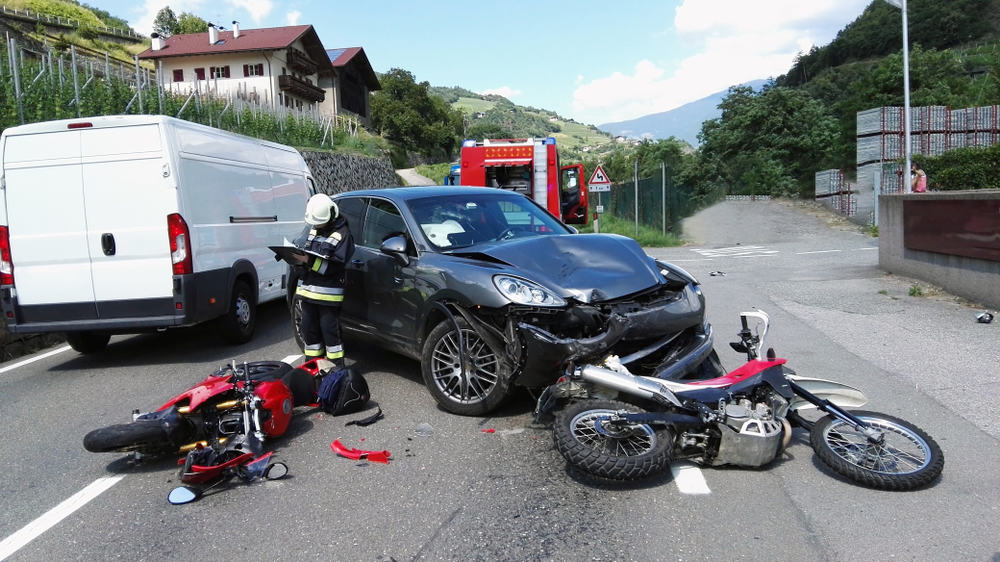
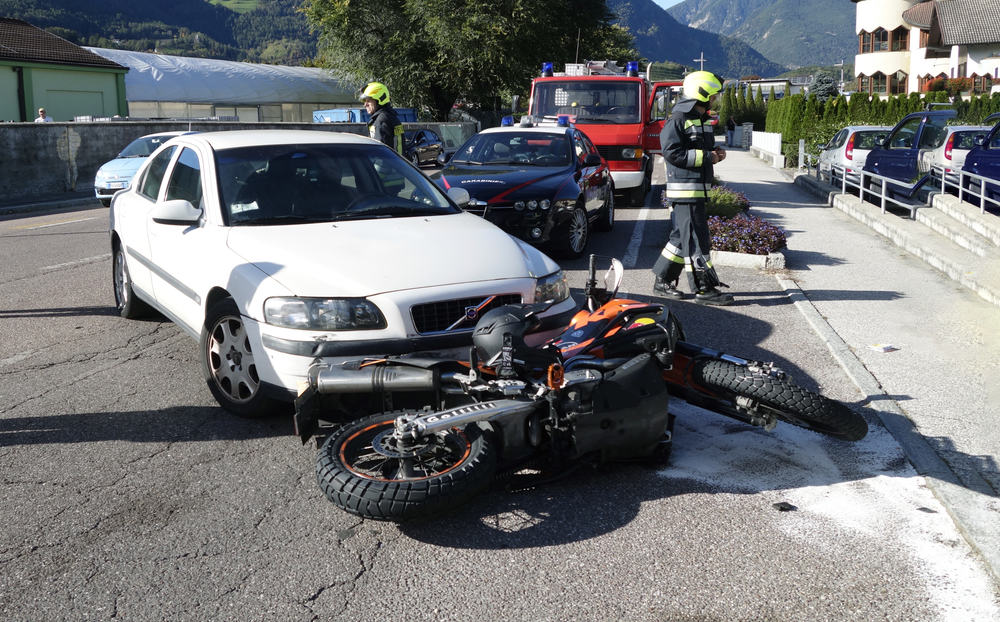
You need to be wary of other road riders as they don’t expec to see dirt bikes riding on the roads. These machines are most commonly found on the local forest trails and away from civilisation. Try and avoid lane slipping otherwise this could happen:
Some riders really love the look of dirt bikes and turn their dirt bikes into their daily commuter. They actually go and change the tyres and it turns into a motard motorcycle. These are essentially dirt bikes with road tyres, and sometimes a sprocket change to allow for better gearing on highways.
Difference in Capacities
There is a difference between the engine capacity because the bigger bore dirt bikes are better for riding at higher speeds such as highways. For example, a 450cc will be much more comfortable as you won’t be maxing out the revs at 70 miles per hour while you will be revving high with a 250cc dirt bike.
Likewise, anything 600cc and greater will be comfortable enough for highway cruising. Those tyres won’t be comfortable compared to say dual-sport motorcycle tyres which aren’t anywhere near knobby.
The Main Hazard
The main hazard and why we don’t recommend dirt bike riding on public roads is heavy rain. This makes things slippery due to the oil line. After all, the tires are designed for gripping gnarly rocks and dirt roads and need to dig down for traction.
Sometimes you’ll feel like your dirt bike is slipping from underneath you. Some riders simply pull over and wait it out until it stops raining. Likewise, they will find a different route like low-speed residential streets with less traffic without the pressure of riding on high speed highways. This applies to dry and wet conditions.
Our recommendation
Take your dirt bike on the road for a short period of time. Sticking to one speed on the bitumen for too long leads to premature wear and tear. Avoid using your dirt bike as a daily commuter and leave it for the offroad tracks and trails.
Some riders choose to have 2 motorcycles – 1 for the road and 1 for the dirt. A wise choice if you can afford it and enjoy riding daily. Likewise, you could get a trailer and not have to worry about the risk of riding a dirt-orientated motorcycle on the road.
In essence – it can be done and it’s done often, but it isn’t ideal.